
There’s a particular kind of intelligence that doesn’t shout.
It doesn’t arrive with big announcements or carefully choreographed comebacks. Instead, it reveals itself slowly over time through unexpected decisions, reinvention, and the quiet refusal to stay in the box people place you in. Ben Affleck is a fascinating example of this.
For many people, his career has looked like a rollercoaster. An early Oscar win for Good Will Hunting. A period of blockbuster fame. Then years where public perception shifted and the narrative around him became less flattering.
At one point, it felt like much of the industry (and certainly the internet) had decided what kind of actor he was and where his career would land. But something interesting often happens when people think they’ve already figured you out. You gain a strange kind of freedom.
What happens when expectations drop
When the pressure of expectation fades, something else can appear in its place: curiosity.
Instead of chasing approval, people begin experimenting. That’s exactly what Affleck seemed to do. He stepped behind the camera and directed films like Gone Baby Gone and The Town, eventually directing Argo, which went on to win the Academy Award for Best Picture.
It was the kind of reinvention that didn’t rely on loud declarations. It simply happened through the work. And recently, another quiet chapter of that reinvention surfaced.
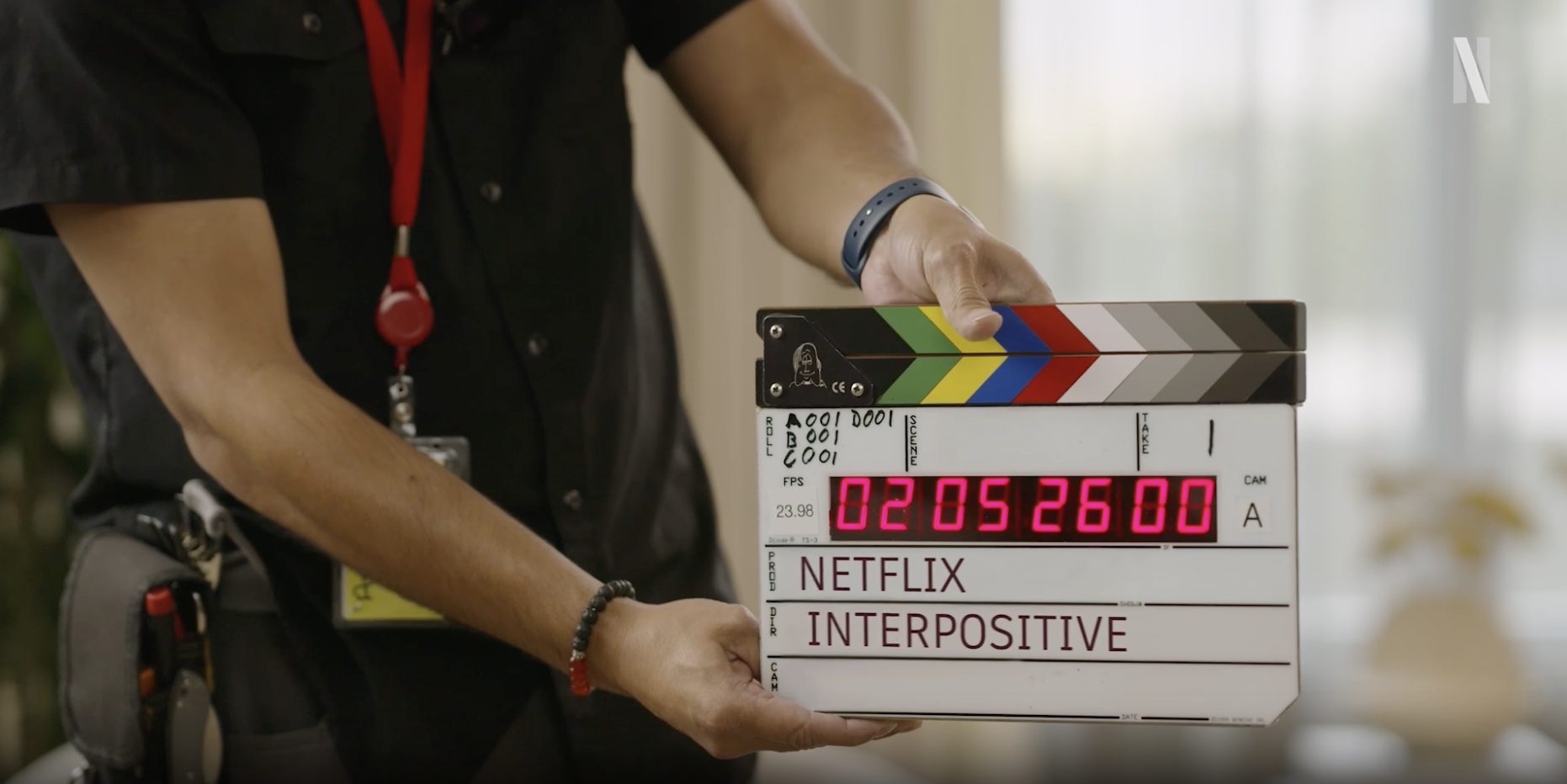
Eventually, that company was acquired by Netflix. On the surface, it sounds contradictory. But when you look closer, it reveals something far more thoughtful.
Understanding the Difference Between Creativity and Craft
Affleck has been vocal about his belief that AI cannot replace human creativity. Storytelling requires judgment. Emotional nuance. Taste. Life experience. These are deeply human abilities. Yet filmmaking is also incredibly technical. Behind every scene are countless hours spent analysing footage, maintaining visual continuity, adjusting colour, coordinating visual effects, and refining edits.
This is where technology can help. Not by telling the story. But by supporting the craft that surrounds it.
The AI tools Affleck’s company developed focused on improving the production and post-production workflow, giving filmmakers more time to focus on the creative parts that truly matter.
In other words, technology becomes a tool for creativity, not a replacement for it.
A Pattern Hidden in Plain Sight
If you look back across Affleck’s career, a pattern begins to emerge. He has always seemed curious about the structure behind storytelling. He wrote scripts, directed films, built a production company focused on reshaping how filmmakers are paid. And now, he has explored technology that could improve how films are made. Again and again, his curiosity seems to drift toward the systems behind the art. How stories are built, creative industries function and how the process itself might evolve.
It’s not the loud kind of innovation that dominates headlines. It’s quieter than that.
The gift of reinvention
There’s something quietly reassuring about stories like this. Not because they show someone achieving success, but because they show someone continuing to evolve after moments where others assumed the story was already written.
Public perception can be a strange thing. It can lift people up quickly, and it can also flatten complex human journeys into simple narratives. But the truth is that growth rarely happens in a straight line. There are periods where you feel celebrated. And there are periods where you feel misunderstood, underestimated, or written off. Sometimes those quieter chapters are the ones where the most interesting thinking happens. Where curiosity returns and experimentation begins again.
Creativity still belongs to humans
In a world increasingly fascinated by automation and artificial intelligence, Affleck’s perspective offers a thoughtful balance.
Technology will change tools. It will accelerate craft. But creativity itself (the instinct to tell stories, to notice emotional truth, to shape meaning) still belongs to humans.
Perhaps that’s the quiet brilliance here. Not just the films or the technology, but the understanding that the most important part of creativity has always been, and will always remain, deeply human. And sometimes the most interesting chapters of a person’s life begin precisely when the world stops expecting them.
Frequently asked questions
What is the quiet brilliance of Ben Affleck?
It is a kind of intelligence that reveals itself through reinvention rather than announcements. After public perception decided what he was, he kept making unexpected moves, from directing to producing, that showed the box other people put you in is optional.
What happens when public expectations of you drop?
Something surprisingly useful: curiosity gets room to breathe. When nobody is watching for your next big thing, you can experiment without the weight of a narrative to protect, and that is often when the most interesting work appears.
What is the difference between creativity and craft?
Craft is the skill of execution: the technique that can be learned, practised and increasingly automated. Creativity is noticing what a story needs, shaping meaning and recognising emotional truth. Machines are catching up on craft. Creativity is the part that stays human.
Will AI replace human creativity?
It will absorb a lot of execution, but the core of creativity, the ability to notice emotional truth and shape meaning from lived experience, still belongs to humans. The most important part of creative work always has.
Leave a Reply